Dual-Band RF Denial & Signal Isolation Appliance (2.4 GHz & Bluetooth)
RF Hardware & Security•2026
Overview
The Dual-Band RF Denial & Signal Isolation Appliance is an experimental hardware system built for wireless security resilience research, perimeter containment, and physical RF vulnerability testing. Built around high-gain dual-transceiver frontends, the system evaluates how IoT sensor nodes, wireless communication stacks, and perimeter defenses failover, recover, or detect localized signal suppression and high-noise interference.
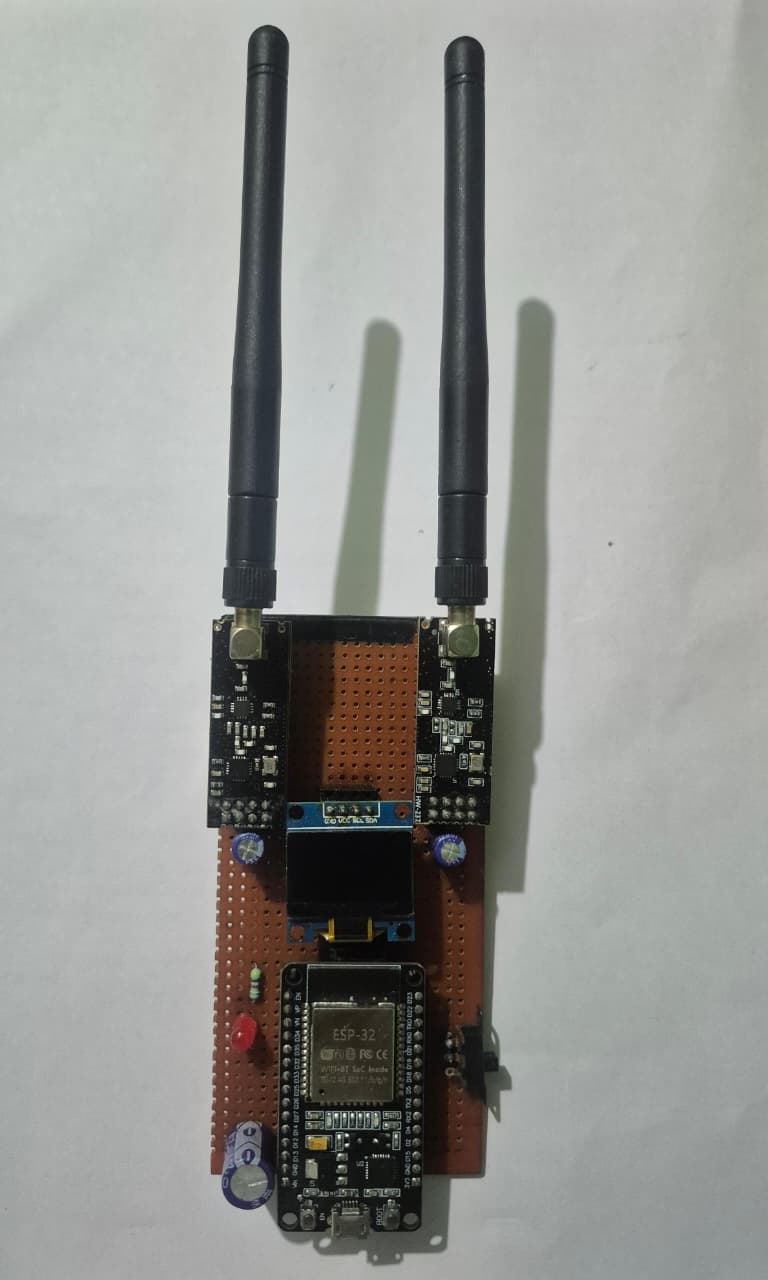
📷 Fig 1: Dual-band RF signal isolation appliance frontend with dual omnidirectional high-gain antennas and power rail indicators.
Defensive Applications & Wireless Auditing
The appliance is engineered specifically to benchmark defensive wireless resilience:
• RF Failover & Redundancy Auditing: Stress-tests IoT mesh networks and critical wireless endpoints to verify automated fallback to secondary channels or wired links during total link loss.
• Secure Perimeter Signal Isolation: Provides localized, low-range wireless signal containment to prevent unauthorized eavesdropping or rogue data leakage within physically sensitive test facilities.
• Wireless DoS Resilience Testing: Simulates high-noise jamming environments to benchmark the detection capabilities of Wireless Intrusion Detection Systems (WIDS).
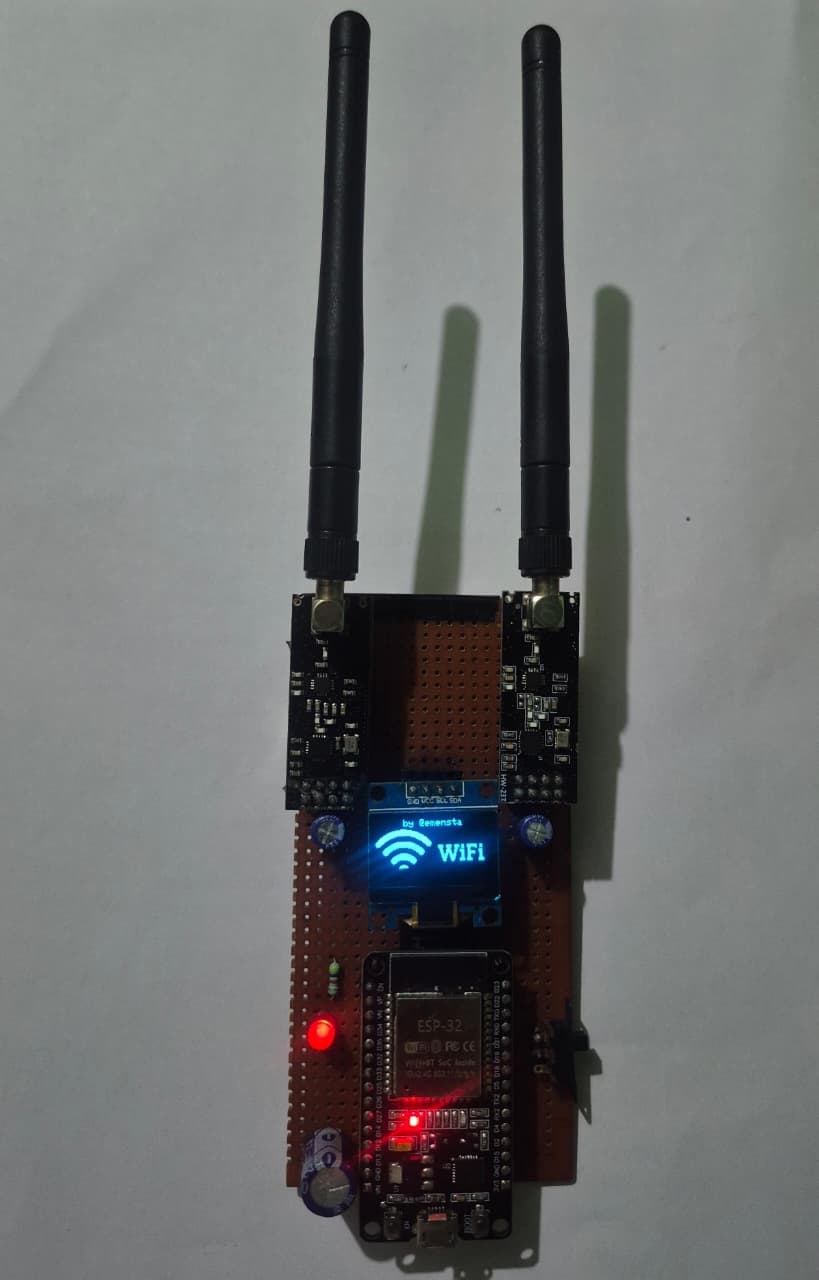
📷 Fig 2: Internal RF frequency synthesizer module and power amplification stage mounted with heat dissipation shielding.
Hardware Frontend & Signal Synthesis Control
The architecture incorporates dual omnidirectional high-gain antennas paired with RF amplifier stages, filtered power distribution rails, and microcontroller-based frequency hopping sweep synthesis to deliver targeted, stable RF evaluations across testing bands.
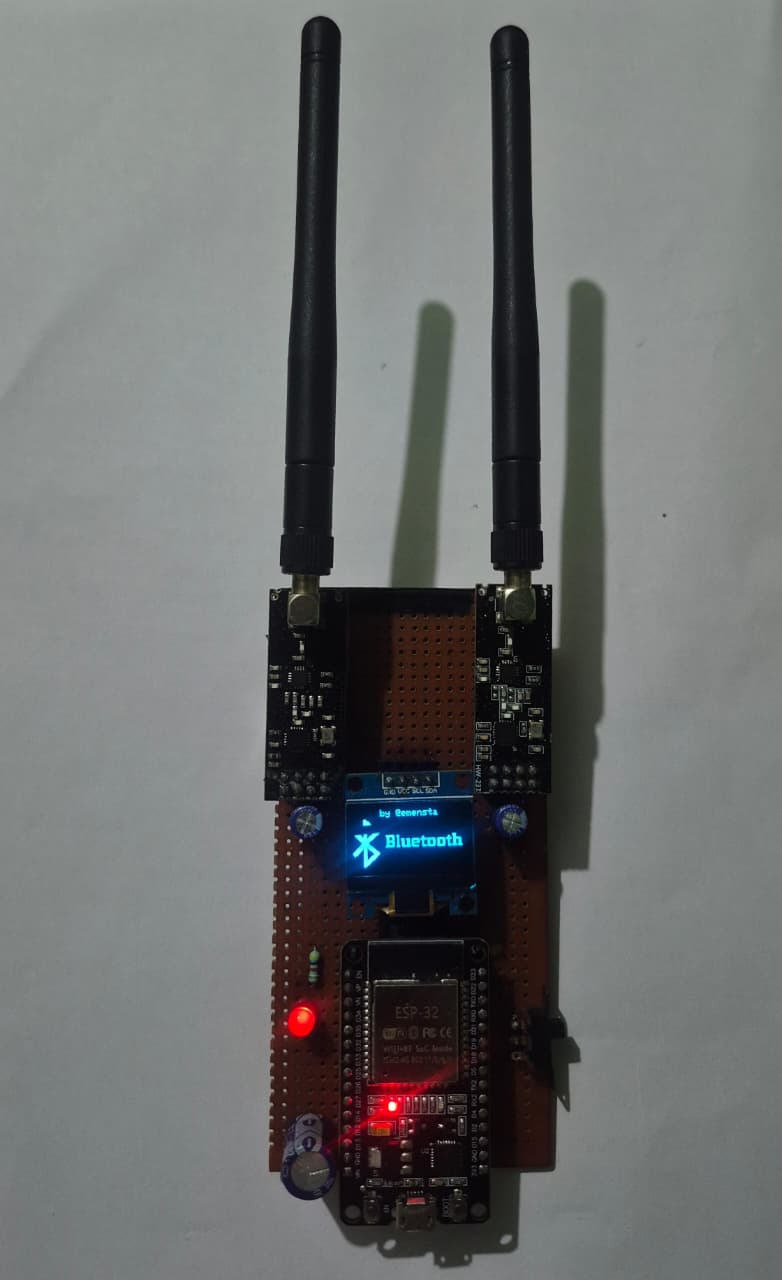
📷 Fig 3: Close-up of the RF transceiver PCB interface and carrier frequency modulation wiring.